
Reflex Runway Challenge
Reviews
Reflex Runway Challenge succeeds by keeping its design simple. The arena is small, the obstacles are clear, and the timer adds just enough pressure. What stands out is how the difficulty ramps up naturally through changing obstacle patterns rather than arbitrary speed increases. The lack of clutter or unnecessary features means every session is about pure survival. It is an excellent choice for players who enjoy honing their reflexes through repetition.
About this game
Core Gameplay Loop
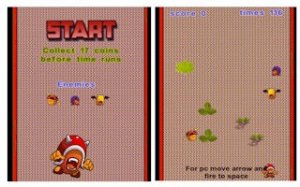
Reflex Runway Challenge places you in a confined space with a single objective: stay away from the moving hazards that populate the area. The timer creates a natural sense of urgency without overwhelming the player. Each attempt lasts only a short while, making it easy to try again after a failure. The game rewards careful observation and precise movement rather than frantic action.
Obstacle Behavior Over Time
As the timer progresses, the obstacles in the arena change their speed and movement patterns. Early rounds feature predictable paths, but later stages introduce more complex trajectories. Players must learn to read these patterns and adjust their position accordingly. This gradual increase in difficulty keeps the experience fresh without becoming frustrating.
Visual and Audio Design
The graphics use bright, simple shapes that are easy to distinguish at a glance. There are no distracting background elements or complex animations. The sound design is minimal, providing subtle cues for key events like a new obstacle pattern or a new personal best. This clean presentation helps players focus entirely on the gameplay.
Progression and Replay Value
The game tracks your longest survival time, giving you a clear target to beat. There are no levels or unlockable content—the core challenge is improving your own performance. This straightforward approach encourages repeated play sessions, as each attempt offers a chance to refine your strategy and extend your record.
Tips for Consistent Improvement
Staying calm is essential. Panic movements often lead to collisions. Instead, watch the obstacle patterns and plan your route in advance. Use the entire arena space to create distance. Small, controlled adjustments are more effective than large dashes. Regular practice helps you recognize patterns faster and react more efficiently.








Comments
0 comments