
Cosmic Drift: Gravity Navigator
Reviews
Cosmic Drift: Gravity Navigator stands out for its ability to teach physics through gentle play. The procedural nebulae and varied planets keep each session visually interesting without overwhelming the player. Controls are intuitive, relying on mouse drags rather than complex inputs. The lack of pressure or failure states makes it ideal for casual learners and those seeking a quiet escape. It runs smoothly on most devices, ensuring broad accessibility. A thoughtful blend of education and relaxation.
About this game
Core Navigation Mechanics
Players take charge of a comet moving through a procedurally generated solar system. The primary interaction involves using mouse clicks and drags to apply gentle directional pulls. Unlike many space games that rely on thrust or speed, this experience emphasizes the subtle influence of gravitational forces. Each celestial body exerts a realistic pull, requiring careful planning to avoid being drawn off course. The controls reward patience and observation over quick reflexes, making the activity accessible to newcomers while offering depth for those who enjoy mastering physics-based systems.
Visual Design and Atmosphere
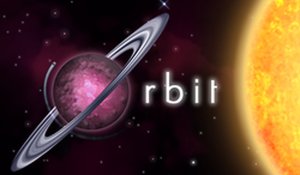
The game generates unique nebula patterns for every play session, ensuring that no two trips through space look the same. Planets vary in size, color, and orbit, creating a constantly changing backdrop. The visual style leans toward calm, vibrant hues rather than harsh contrasts, supporting a relaxing tone. The atmospheric design includes subtle particle effects and smooth transitions as the comet moves between regions. This approach helps maintain focus on the educational aspects without overwhelming the player with chaotic visuals.
Educational Value and Scientific Principles
At its core, this simulation teaches how gravity influences motion in space. Players gain practical insight into orbital mechanics by observing how their comet responds to nearby planets. The game does not require prior knowledge of physics; instead, it allows experimentation through trial and error. By adjusting their approach to different planetary configurations, users develop an intuitive understanding of gravitational attraction. This hands-on learning method makes complex scientific concepts more approachable for students and casual learners alike.
Technical Performance and Accessibility
Built on HTML5 technology, the simulation runs smoothly across desktop computers, tablets, and smartphones without requiring any downloads or installations. The interface includes zoom controls for close-up views of planets or a broader perspective of the comet's trajectory. A time acceleration feature lets players speed up long journeys between distant objects. Some versions may support game controllers for an alternative input method. The lightweight design ensures consistent performance even on older devices, broadening its potential audience.
Relaxation and Engagement Balance
While the game includes educational elements, it also functions as a calming pastime. The gentle pacing and lack of time pressure allow players to explore at their own speed. There are no scores to chase or levels to fail, reducing stress and encouraging repeated play. The combination of soothing visuals, ambient sounds (where available), and thoughtful navigation creates an experience suitable for unwinding after a busy day. This balance between learning and leisure makes the simulation appealing to a wide demographic.





Comments
0 comments