
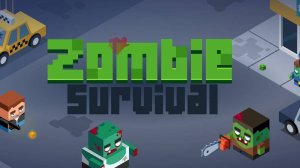
Cooperative Puzzle Planning
Reviews
Cooperative Puzzle Planning stands out in the family game space by focusing entirely on logic and collaboration. The resource management puzzles are clever without being frustrating, and the bright visuals keep the mood light. The turn-based structure gives everyone time to think, making it accessible for younger players while still offering strategic depth for adults. The absence of any combat or scary elements is a deliberate design choice that pays off, creating a genuinely safe space for shared play. It is a rare game that teaches problem-solving without pressure.
About this game
Core Gameplay Loop
At its heart, this is a turn-based planning game where each move matters. Players select from a cast of friendly characters and begin in a safe zone. The objective is to gather resources like food and tools while solving environmental puzzles to keep the community secure. Each decision affects the group's well-being, encouraging thoughtful action over speed. There are no enemies to fight—only obstacles to outsmart using logic and careful preparation.
Resource & Puzzle Design
Resources appear in limited quantities, requiring players to prioritize what to collect first. Puzzles range from simple pattern recognition to multi-step challenges that involve moving objects or finding hidden paths. Later stages introduce new variables like weather changes or limited daylight, forcing players to adapt their strategy. Hints are available but using them may affect the final score, adding a layer of self-imposed difficulty for those who prefer a pure challenge.
Cooperative Play Structure
The game supports both solo and group play. In cooperative mode, up to four players take turns making decisions, with each person controlling a different character. Communication becomes essential, as one player's choice can impact everyone's resources. This design naturally teaches negotiation and compromise, making it an excellent tool for family game nights. The difficulty scales based on the number of players, ensuring a balanced experience for groups of any size.
Visual & Audio Atmosphere
The art style uses bright, rounded shapes and warm colors to create a welcoming environment. Characters have expressive animations that react to success or failure, adding emotional depth without any frightening elements. The soundtrack is calm and melodic, with gentle cues that signal important events like a puzzle completion or a resource shortage. Sound effects are playful rather than intense, reinforcing the non-violent theme.
Progression & Replayability
Each completed level unlocks new characters and additional puzzle types, providing variety across multiple playthroughs. The game tracks completion time and resource efficiency, offering optional goals for players who enjoy optimizing their strategy. There are no fail states that force a restart; instead, the game encourages learning from mistakes by allowing players to retry levels with a different approach. This design keeps the experience low-stress and accessible for younger players while still offering depth for adults.






Comments
0 comments