
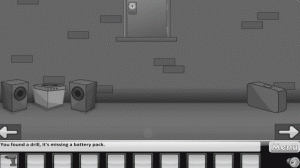
Gray Mansion Riddle Exit
Reviews
Gray Mansion Riddle Exit stands out for its thoughtful use of a monochrome palette, which actually enhances the puzzle-solving experience by making clues more visible. The puzzles are well-constructed, progressing from simple to moderately complex without ever feeling unfair. The calm atmosphere and lack of time pressure make it a relaxing yet engaging activity. Families will appreciate the cooperative potential, while solo players can enjoy the satisfaction of each solved riddle. The game respects the player's intelligence and provides a rewarding sense of accomplishment.
About this game
Visual Design and Atmosphere
The game presents a distinctive grayscale world where all environments are rendered in shades of black, white, and gray. This artistic choice is not merely decorative—it serves a functional purpose by making important objects and clues stand out against the muted backgrounds. Players will find that the lack of color reduces visual noise, allowing them to focus more intently on the details of each room. The atmosphere remains calm and inviting, with no sudden surprises or stressful elements. Soft ambient sounds complement the visual style, creating a relaxing yet engaging experience suitable for players of all ages.
Core Puzzle Mechanics
At its heart, this is a game about connecting pieces of information. Each room contains a variety of interactive objects that can be examined, picked up, or used. The inventory system lets players collect items and combine them to create new tools or solutions. Puzzles often require recognizing patterns, matching sequences, or using items in a specific order. For example, a note might hint at a combination for a locked drawer, while a tool found elsewhere can open a hidden compartment. The logic is always fair—there are no random elements or trial-and-error guesswork. Every puzzle has a clear solution that can be deduced from the clues provided.
Exploration and Discovery
The mansion is divided into several interconnected rooms, each with its own theme and set of challenges. Players are encouraged to move back and forth between areas, as solving one puzzle might reveal a clue for another room. Some items become useful only after examining them in a different context. This design promotes thorough exploration and rewards players who pay attention to small details. The game does not rely on pixel-hunting; instead, it emphasizes thoughtful observation. Players might need to look at a painting from a different angle, open a book, or rotate a sculpture to find hidden information.
Progression and Difficulty Curve
The puzzles start with straightforward tasks, such as finding a key in a visible location, and gradually increase in complexity. Later rooms may require combining multiple items, solving multi-step riddles, or interpreting abstract clues. The difficulty curve is gentle, ensuring that newcomers can learn the mechanics without frustration, while experienced puzzle solvers will find satisfying challenges. There are no time limits or penalties for mistakes, so players can experiment freely. If a puzzle seems too difficult, stepping away and revisiting it later often helps, as the solution may become clearer after exploring other areas.
Family-Friendly Design
This game is built around the idea of cooperative problem-solving. Parents and children can play together, discussing clues and working as a team to progress. The content is entirely safe, with no violence, scary imagery, or inappropriate themes. The controls are simple and intuitive, working equally well on touchscreens and with a mouse. The game does not require reading long texts or understanding complex instructions, making it accessible to younger players. The focus is on creativity, patience, and logical thinking—skills that benefit players of any age.





Comments
0 comments