
Gravity Shift Block Puzzle
Reviews
Gravity Shift Block Puzzle stands out for its antigravity mechanic, which makes each level feel fresh. The obstacles are well-designed, forcing players to think before they shoot. The controls are responsive, and the colorful visuals keep the experience light and enjoyable. It is a solid choice for puzzle fans who want something that rewards careful planning without being overly complex.
About this game
Core Gameplay Mechanics
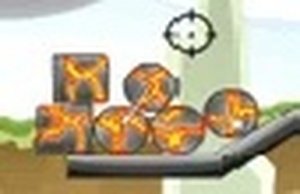
Gravity Shift Block Puzzle centers on a simple yet clever concept: players launch characters at block formations to clear them from the screen. The blocks are divided into two types—sky and magma—each requiring a different approach. The physics engine governs every shot, so angle and force matter. A well-placed hit can clear multiple blocks at once, while a poor shot may leave the layout unchanged. The antigravity feature adds a twist: blocks float and shift over time, forcing players to adapt their strategy on the fly. This dynamic keeps each level from feeling static or predictable.
Obstacle Variety and Level Design
Each level introduces new obstacles that change how players approach the puzzle. Webs slow down or trap characters, chains connect blocks together, and maze-like structures require careful planning to navigate. These elements are not just decorative—they directly affect the physics and the order in which blocks can be cleared. The level designers have created a steady progression of difficulty, starting with simple formations and gradually adding more complex arrangements. Players who enjoy problem-solving will appreciate how each new obstacle forces a fresh perspective.
Visual Style and User Experience
The game uses bright, colorful graphics that make each block type and obstacle easy to distinguish. Animations are smooth, and the physics feedback is satisfying—blocks break apart realistically, and characters bounce off surfaces in a way that feels natural. The interface is clean and minimal, with clear indicators for remaining blocks and level progress. This design choice keeps the focus on the puzzle itself, reducing distractions. The overall presentation is polished without being overly complex, appealing to both younger players and adults looking for a quick mental break.
Replayability and Progression
Because each level has a unique block arrangement, no two puzzles play the same way. The antigravity mechanic ensures that even replaying a level can feel different, as blocks may shift into new positions. This randomness encourages players to experiment with different shot angles and sequences. The game does not rely on a traditional scoring system; instead, the satisfaction comes from clearing a challenging layout efficiently. For players who enjoy mastering a system, there is a clear sense of improvement as they learn to predict how blocks will react to each shot.
Accessibility and Learning Curve
New players can pick up the basics within minutes. The controls are straightforward—aim and launch—and the physics is intuitive enough that even a first attempt can yield progress. However, the later levels demand careful thought and precision. The game strikes a balance between being approachable for casual play and offering enough depth to keep dedicated puzzle fans engaged. There are no time limits or pressure to perform quickly, allowing players to take their time analyzing each layout before making a move.





Comments
0 comments