

Stickman Trajectory Puzzle
Reviews
Stickman Trajectory Puzzle stands out for its elegant blend of physics simulation and puzzle design. The core mechanic of plotting a curved path and predicting bounces is immediately accessible, but the later levels demand genuine strategic thinking. The level design avoids repetition by introducing new elements like moving obstacles and fragile structures at a steady pace. Visual feedback is excellent, making it easy to learn from mistakes. The combo system adds a nice incentive for precision. This is a well-crafted puzzle game that respects the player's intelligence and offers a rewarding experience from start to finish.
About this game
Trajectory Planning
At its heart, this game asks you to become a master of angles and force. You draw a path for your projectile, accounting for surfaces that will redirect its motion. The challenge lies in predicting how the projectile will behave after each bounce, especially when multiple surfaces and objects are involved. Some levels require a single precise shot, while others reward a carefully orchestrated series of rebounds. The physics engine simulates realistic momentum and collision, so each attempt teaches you something new about how objects interact. This focus on trajectory planning makes every puzzle feel like a miniature experiment in physics.
Level Design Philosophy
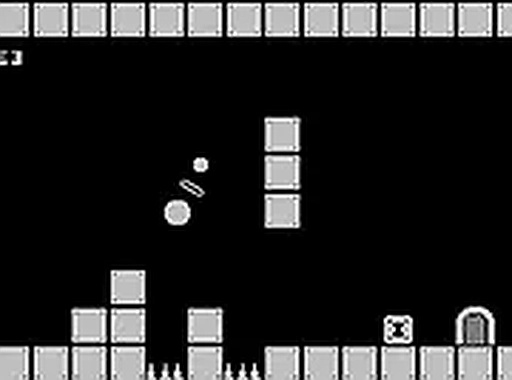
Each stage presents a unique spatial puzzle. The layout of walls, platforms, and stickman targets is arranged to encourage creative solutions. Early levels introduce basic concepts like straight shots and simple bounces. As you advance, the puzzles incorporate more complex arrangements, such as moving obstacles or fragile structures that collapse when hit. The design avoids repetition by varying the number and placement of targets, ensuring that no two levels feel the same. Players are free to experiment with different angles and power levels, and the game rewards those who take time to observe the environment before acting.
Visual Feedback and Clarity
The clean, minimalist art style serves a practical purpose: it makes the physics interactions easy to read. Projectiles leave visible trails that show their path, and surfaces have clear collision indicators. When a target is hit, it reacts with a satisfying visual cue that confirms the impact. Destructible elements break apart in a way that communicates the force of the collision. This clarity helps players learn from each attempt, as they can see exactly where their aim was off or how the projectile interacted with the environment. The visual design keeps the focus squarely on the puzzle-solving experience.
Progression and Mastery
The game gradually increases difficulty by introducing new elements that change how you approach each puzzle. For example, later levels may include fragile barriers that require a delicate touch, or moving platforms that demand precise timing. The combo system adds an extra layer of satisfaction, rewarding players who clear multiple targets with a single throw. This encourages planning and patience, as a well-aimed shot can be more effective than several haphazard ones. The progression feels natural, with each new mechanic building on skills learned in previous levels. Players who enjoy mastering trajectory mechanics will find plenty of depth to explore.







Comments
0 comments