
Emotion Learning Puzzle for Kids
Reviews
This free online puzzle game offers a calm, supportive way for young children to learn about feelings. The simple three-choice format is easy to understand, and the lack of time limits reduces pressure. Parents can use it as a conversation starter about emotions. It works on any device, making it convenient for home or travel. The colorful design keeps kids engaged while building emotional awareness.
About this game
Game Introduction
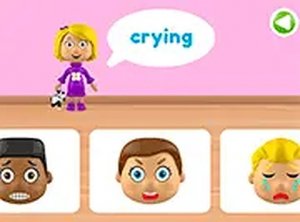
World of Alice: Emotion Learning Puzzle for Kids is an educational puzzle game designed for young children. The game helps kids learn about different emotions by presenting a series of feelings, such as happiness, sadness, surprise, or anger. Players help Alice select the correct emotion from three options. The colorful and friendly interface makes learning about emotions engaging and accessible. This game builds emotional intelligence by teaching children to recognize and name various feelings in a safe, digital environment. It is free to play directly in a web browser, with no downloads or installations required, and works on both desktop and mobile devices.
How to Play
To play, children look at the emotion displayed on the screen. Three possible answers appear below. Using a mouse or touchscreen, they tap the correct emotion. Each correct answer moves them forward to the next puzzle. The game is easy to understand, so children of all ages can start playing right away. There is no time limit, allowing kids to learn at their own pace. Players can also switch to full screen mode for a more focused experience. Completing all levels helps children master the world of emotions.
Game Features
This game offers an educational and fun experience for kids. It features easy-to-play emotion guessing with three choices. The design is colorful and safe, suitable for young learners. It works on mobile devices and desktop computers, and no downloads are required for instant play. The game provides a calm and supportive way for children to explore feelings, building emotional awareness through simple, repeated practice in a positive setting.
Tips for Success
To get the most out of the game, encourage children to take their time and think about each emotion before choosing. Practice regularly to help reinforce recognition of different feelings. Parents can discuss each emotion with their child after a level, talking about when they might feel that way. Using the full screen mode can help minimize distractions. Most importantly, keep the experience positive and fun—praise correct answers and gently guide when mistakes happen.







Comments
0 comments